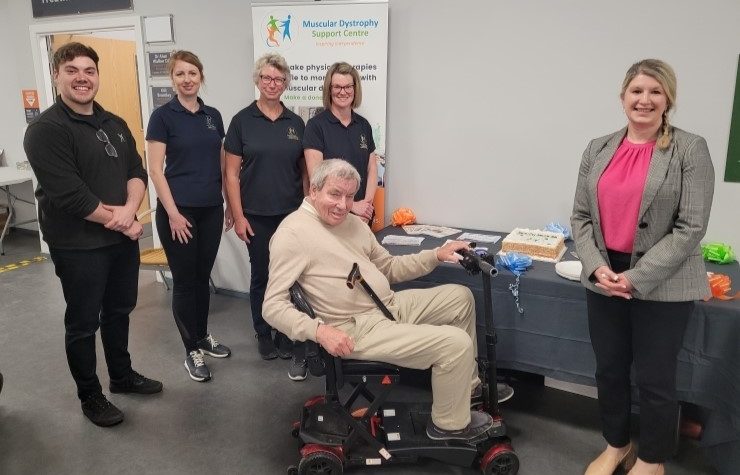
To meet the growing demand for services, the charity opened an additional satellite clinic in 2024, located in Daventry at the Reach for Health Centre. The new clinic features a comfortable treatment room, a fully accessible gym, and a welcoming …
inspiring independence
inspiring independence
Timeline Post Type Description
To meet the growing demand for services, the charity opened an additional satellite clinic in 2024, located in Daventry at the Reach for Health Centre. The new clinic features a comfortable treatment room, a fully accessible gym, and a welcoming …
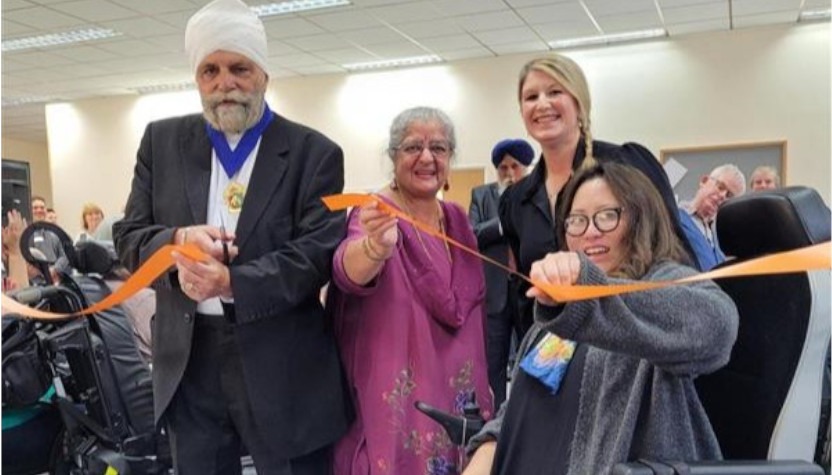
2022, the charity’s tenth anniversary year, brought significant changes. The charity opened its first clinic in Birmingham, expanding services to people in the city and surrounding areas. Located at Bournville Gardens Retirement Village, the clinic offers neuro-physiotherapy and provides a …
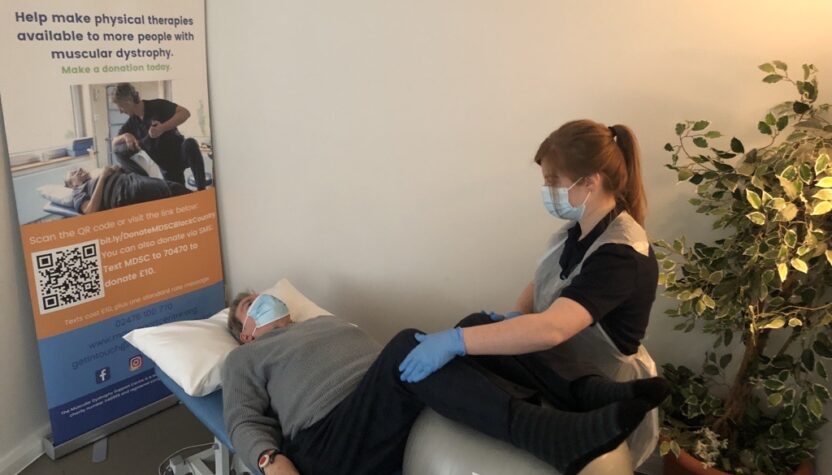
In 2021, the charity expanded its reach in the West Midlands by opening a satellite clinic in Tipton, based at the Murray Hall Community Centre. This new location provided more opportunities to support people living in Wolverhampton, Staffordshire, and the …
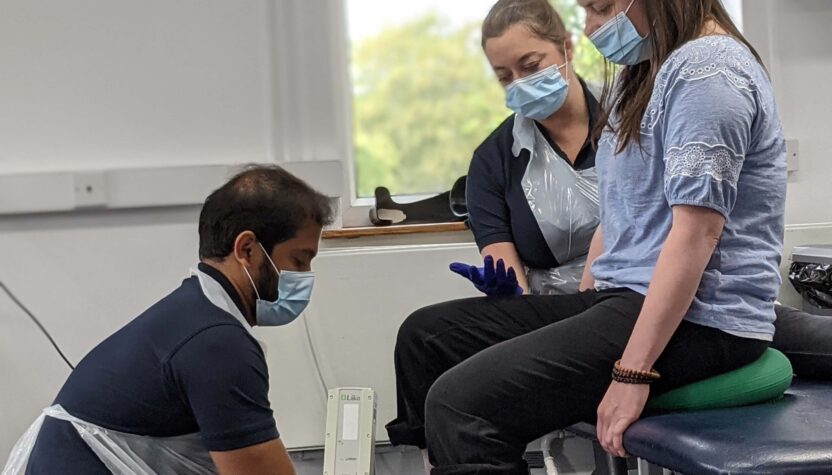
In 2020, the charity launched online services to support people throughout the pandemic. These services, including online physiotherapy and osteopathy, exercise classes, and breathing and mindfulness sessions, were so successful that they became a permanent feature. Face-to-face therapies resumed in …
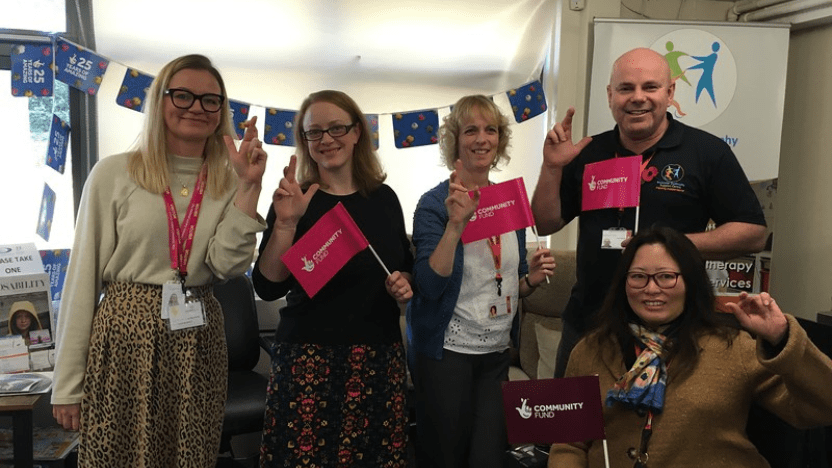
2019 saw continued growth and development with its newest satellite opening in Loughborough. This expansion enabled the charity to serve more people living in the East Midlands. The charity was successfully awarded a five-year grant from the National Lottery Community …
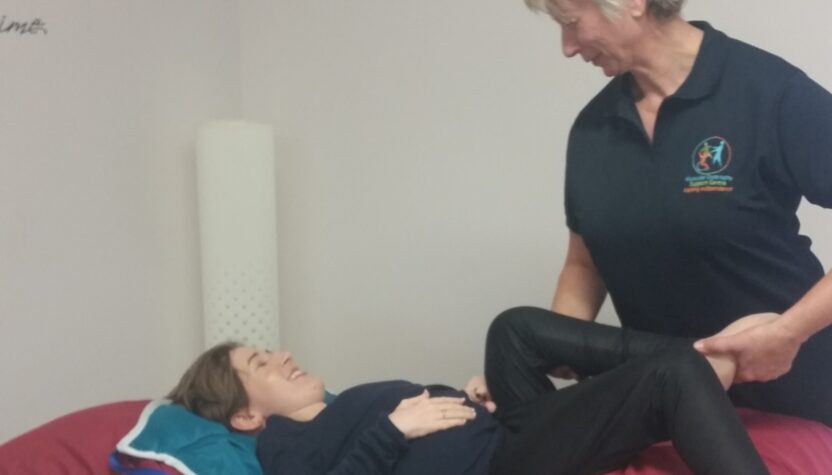
In addition to physiotherapy, osteopathy, and hydrotherapy, the charity introduced complementary therapies along with a group seated Pilates class. It also announced the opening of its second satellite clinic, in partnership with Acorns Hospice, located in Selly Oak, Birmingham.
2017 marked a significant year for the charity with two major developments: the launch of its first satellite clinic and a rebrand to Muscular Dystrophy Support Centre. The new outreach clinic, located in Droitwich Spa, was designed to bring osteopathy …
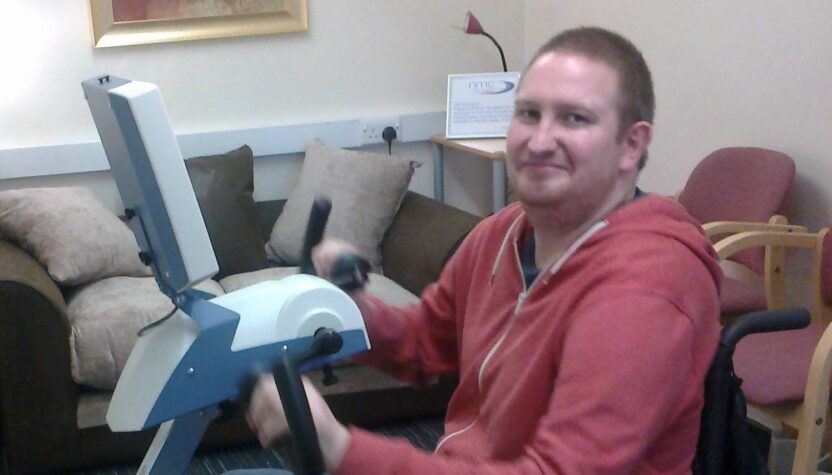
NMC Midlands quickly established a strong reputation as a unique centre offering specialised physical therapies for individuals with muscle-wasting conditions, leading to a growing demand for its services. In 2016, to meet this increased demand, the centre expanded its opening …
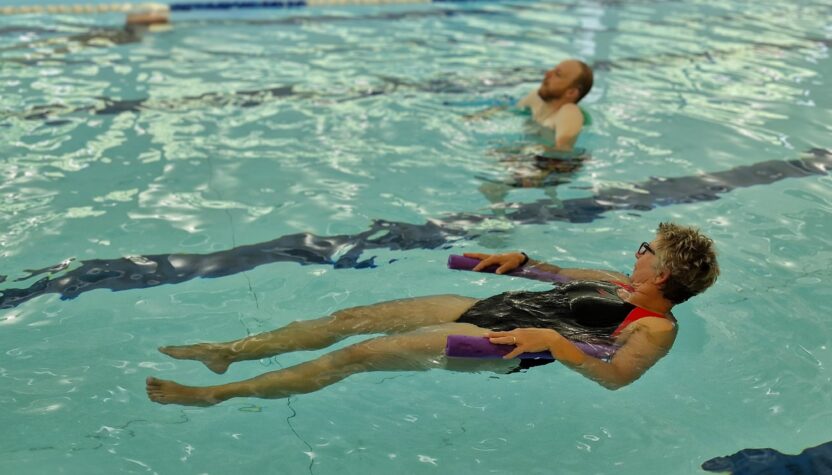
Co-lead Physiotherapists Lynn Ward and Ulrike Uta led the first Aquatic Therapy taster sessions in the summer of 2015. The response was overwhelmingly positive, prompting the sessions to continue and expand to support more people. Regular aquatic therapy sessions began …
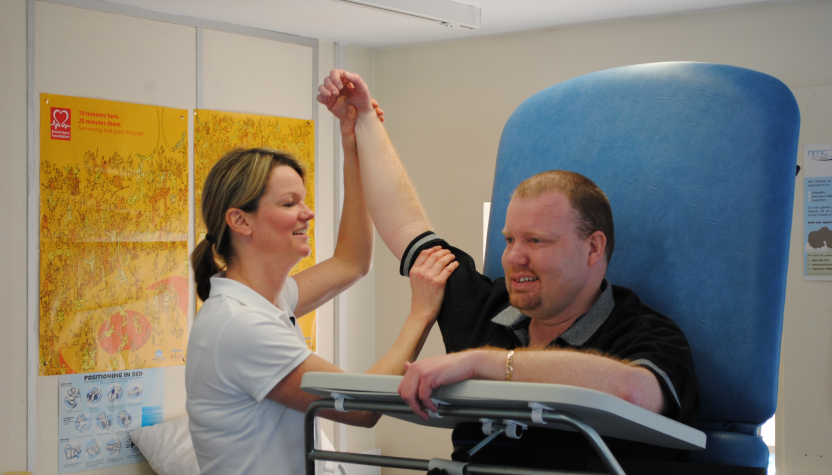
In 2013, the charity launched physiotherapy treatments, which were met with an overwhelmingly positive response. Osteopathy soon followed, further expanding the range of support available. As word spread, service users began travelling from farther afield to access these services. Our …